






The basics of plasma treatment – what is Plasma?
Faq Summary
Plasma treatment improves adhesion by cleaning and activating the outermost surface layer of a material. The process increases surface energy and wettability, making plastics, metals, glass and composites better prepared for bonding, printing, coating or painting without changing the material’s core properties.
Result:
✓ High and consistent quality
✓ Less waste
✓ More efficient production
Conclusion:
A solution that works, stable and reliable.
Until the 1950’s, matter was thought to exist in only three forms i.e. solid, liquid, and gas. But all that changed when a Danish engineer discovered plasma. But what is plasma?

What is Plasma and Plasma treatment?
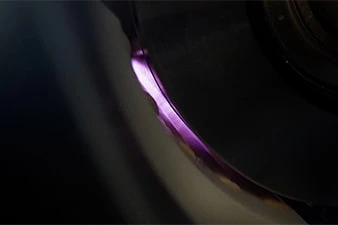
Plasma is matter that exists in the form of ions and electrons. Basically, it is a gas that’s been electrified charged with freely moving electrons in both the negative and positive state.
The situation is actually a resultant of further energy being given to a gas which causes the breaking free of negatively charged electrons from the nucleus.
On a deeper level, plasma can be described as a gas that’s been partially ionized. It is a mixture of neutral atoms, atomic ions, electrons, molecular ions, and molecules present in excited and ground states. The charges (positive and negative) balance each other therefore; a good number of these charges are electrically neutral.
The charged particles present in plasma are responsible for its high electrical conductivity. Since plasma consists of electrons, molecules or neutral gas atoms, positive ions, UV light along with excited gas molecules and atoms, it carries a good amount of internal energy. And when all these molecules, ions and atoms come together and interact with a particular surface, plasma treatment is initiated.
Hence, by selecting a gas mixture, pressure, power etc. the effects of plasma treatment upon any surface can also be specified or precisely tuned.
How does plasma cleaning improve adhesion for manufacturing processes?
Plasma cleaning enhances adhesion for manufacturing processes in several ways:
- Removal of contaminants: Plasma cleaning effectively removes organic contaminants from surfaces, including those in microscopic peaks and troughs, ensuring a clean surface for better adhesion.
- Surface activation: The process activates the surface of materials, increasing their surface energy. This improved surface energy enhances wettability and adhesive properties, making it easier for coatings, inks, and adhesives to bond.
- Consistent and reliable results: Plasma cleaning provides consistent and reliable cleaning, ensuring that surfaces are uniformly prepared for subsequent manufacturing processes.
- Environmentally friendly: It is a cost-effective and environmentally friendly process, eliminating the need for chemical solvents and reducing waste.
- Hydrophilicity: Plasma cleaning works with chemical functional groups such as carboxyl, carbonyl, and hydroxyl on the surface, rendering most surfaces hydrophilic. This means the surface will have a decreased water contact angle and increased wettability, enhancing bonding or adhesion to other surfaces during the manufacturing process.
- Surface characteristics: Other surface characteristics, such as liquid repellency or low friction, can be introduced if required. This allows for customization of the surface properties to meet specific needs.
These benefits make plasma cleaning an ideal solution for improving adhesion in various manufacturing processes, including bonding, painting, varnishing, and coating.
How Plasma treatment is performed
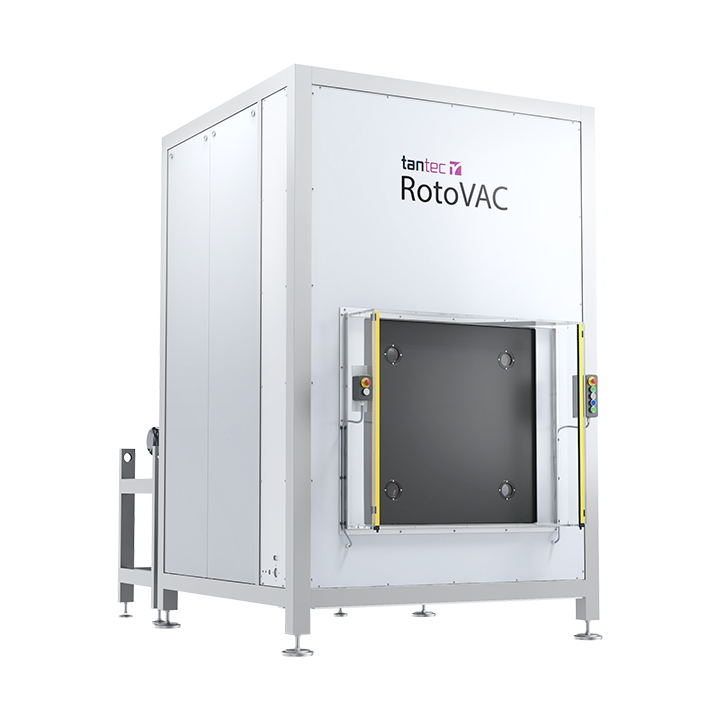
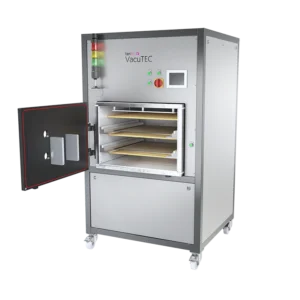
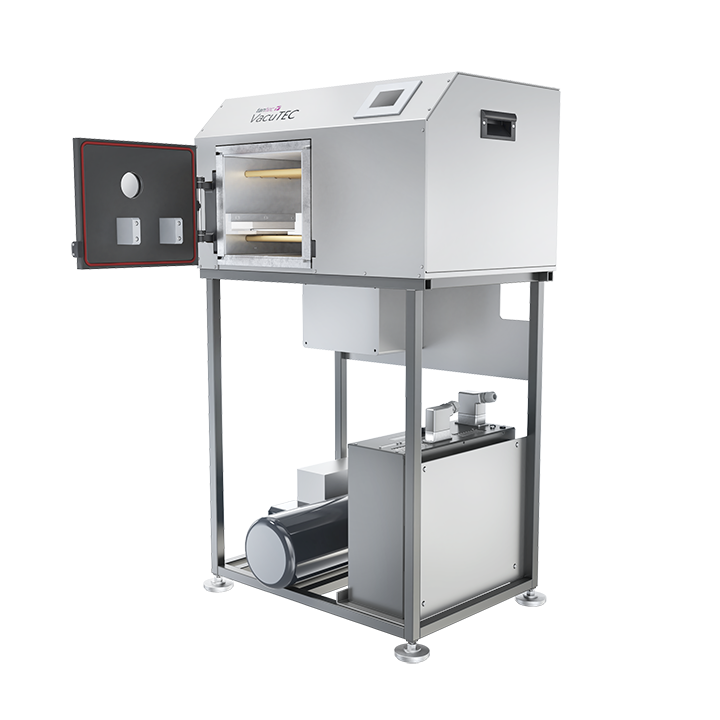
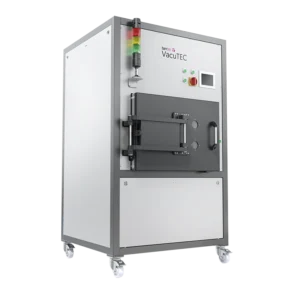
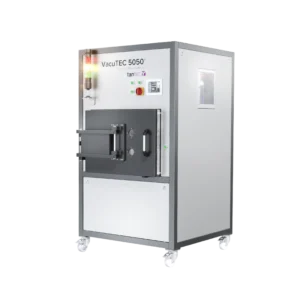
Plasma treatment is usually performed in a chamber or enclosure that’s evacuated (Vacuum plasma). The air within the chamber or enclosure is pumped out before letting gas in.
The gas then flows in the enclosure at a low pressure. This is done before any energy (electrical power) is applied. It is imperative to know that plasma treatment performed at low temperature can easily process materials that are heat sensitive.
These types of plasma are sometimes referred to as ‘cold plasma’. Cold Plasma treatment is mainly used for cleaning, surface activation, deposition, and etching – if you are interested in knowing more about plasma etching (plasma etch) we recommend you read our article about plasma etching. Also read about Plasma cleaning and what it is used for here.
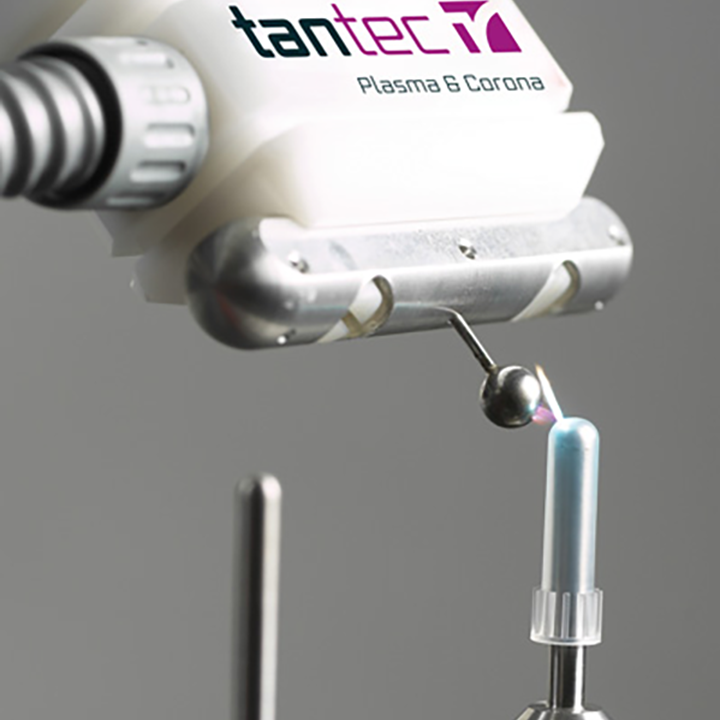
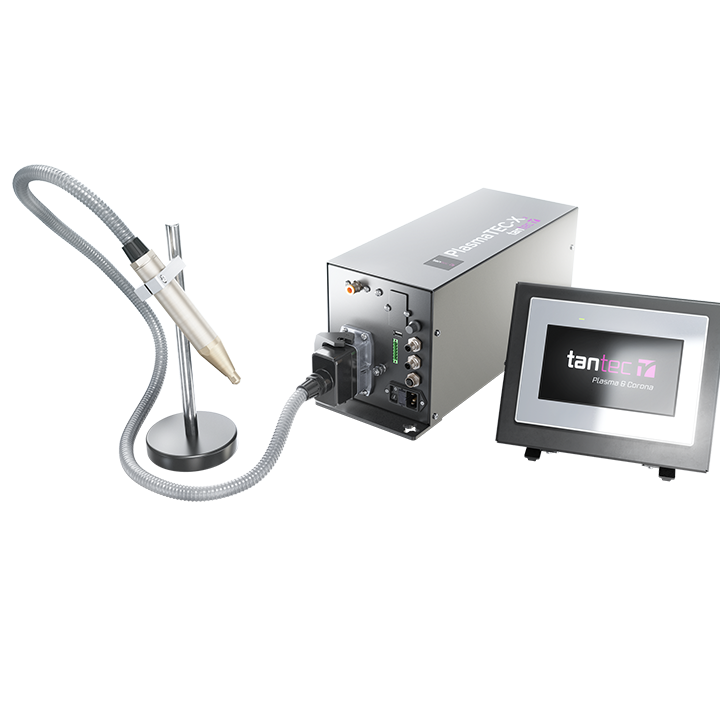
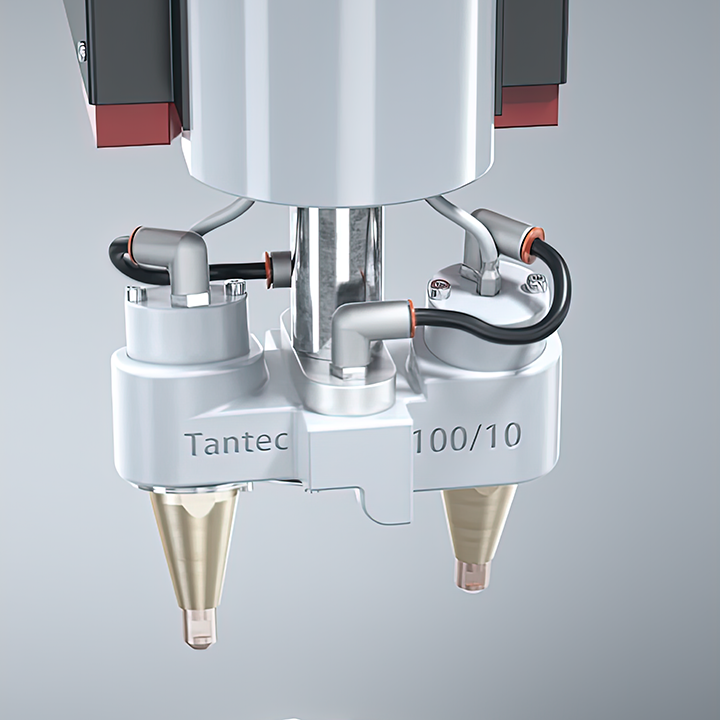
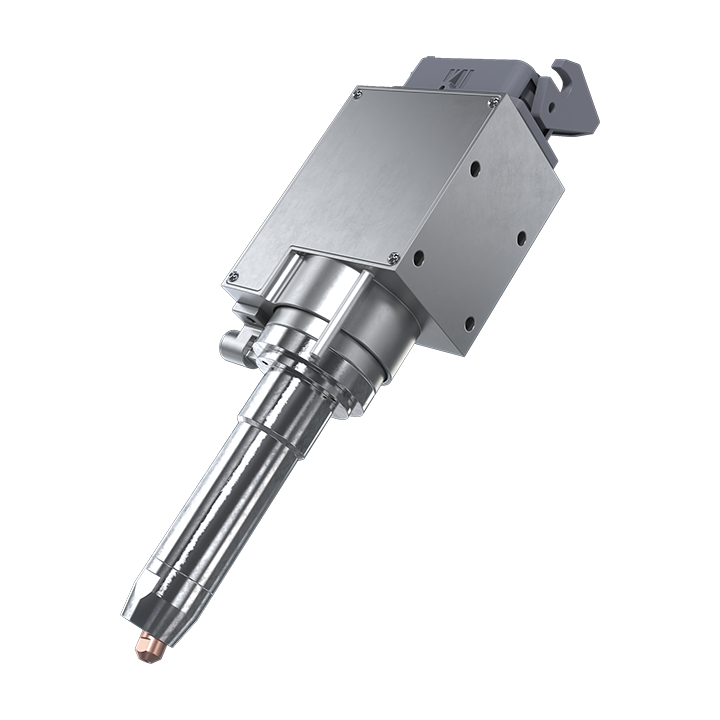
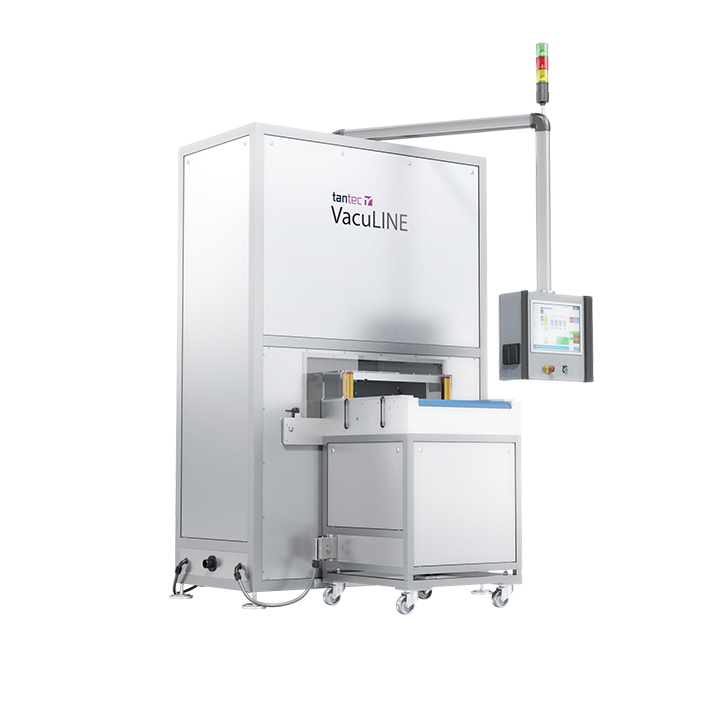
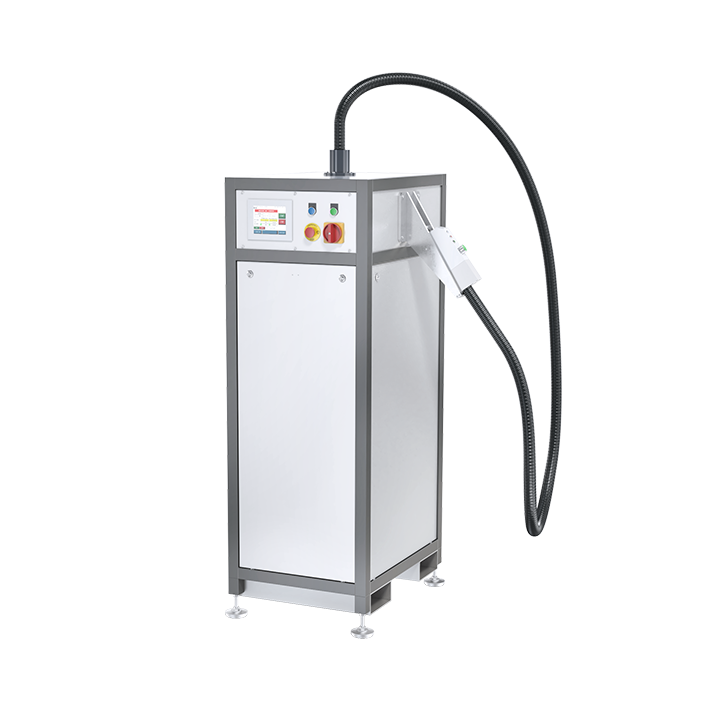
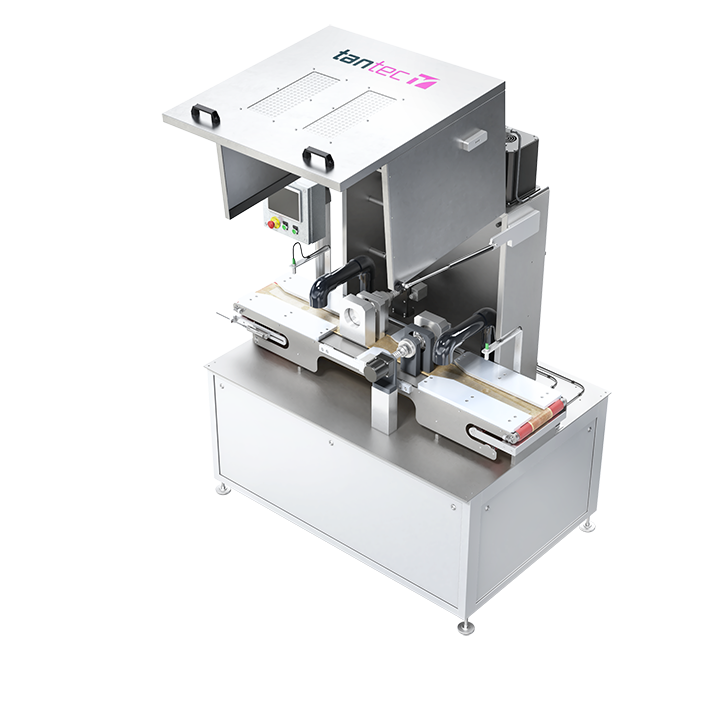
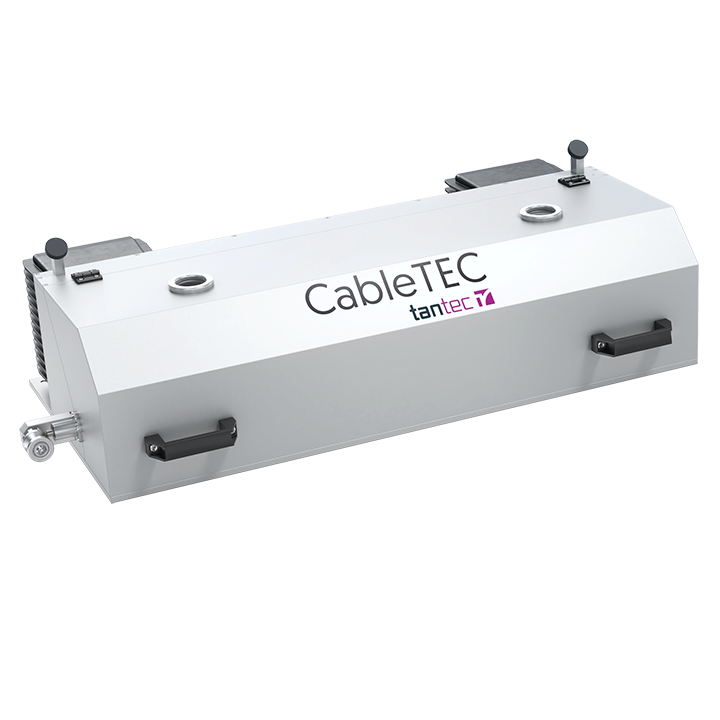
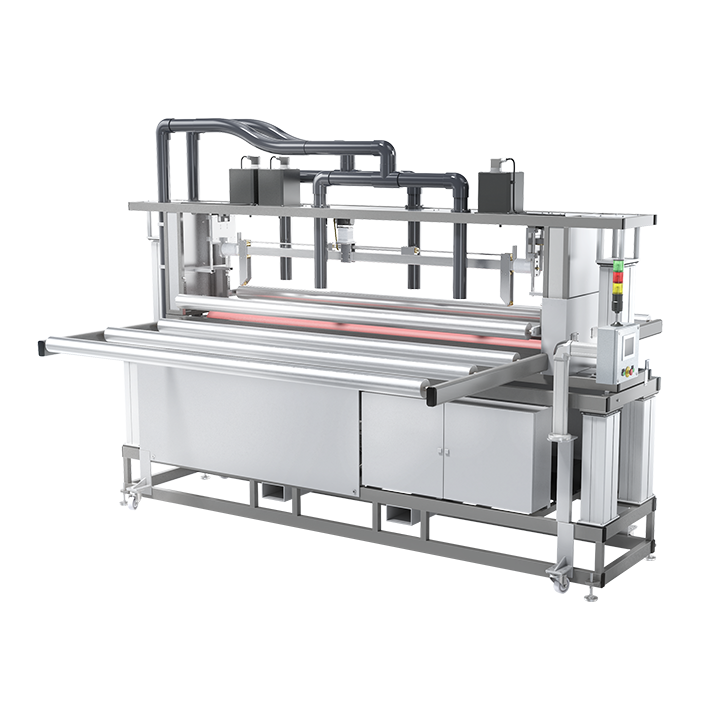
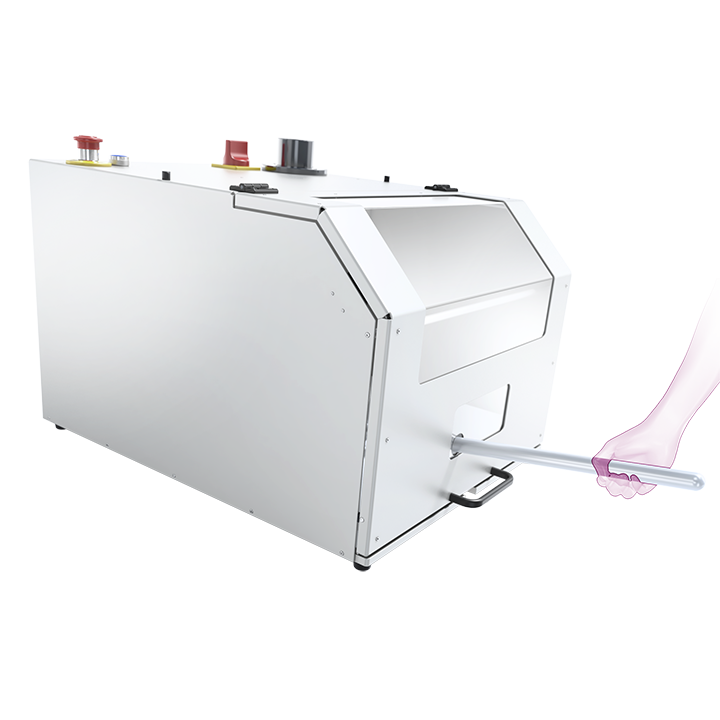
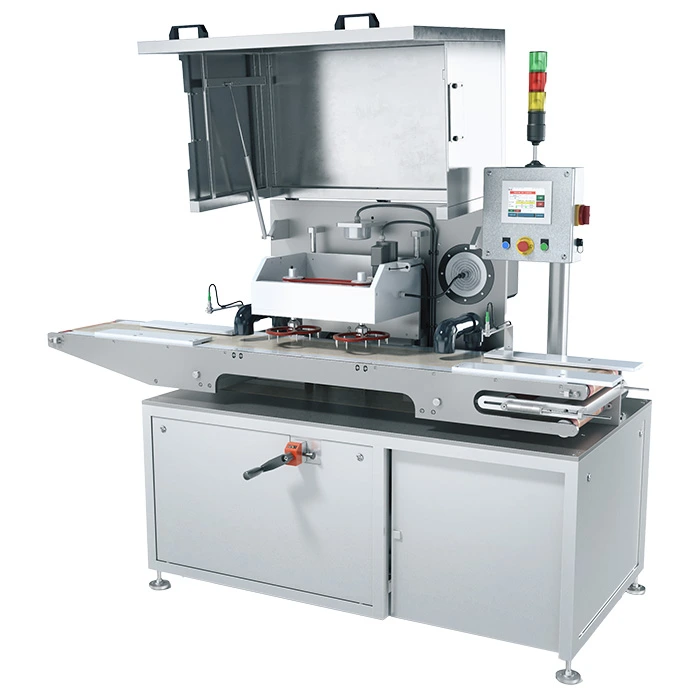
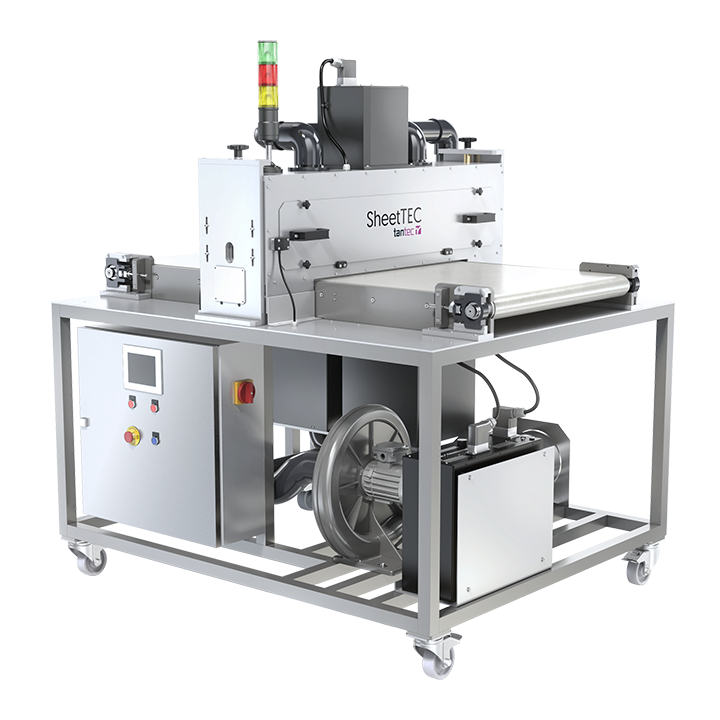
See the list of customizable Plasma Treaters we offer to a variety of industries.

Useful for pretreatment of surfaces
On an industrial level, plasma treatments are used for treating surfaces of various materials prior to any coating, printing or adhesion. Therefore, it can also be referred to as a kind of pretreatment of surfaces. Treatment with plasma removes any foreign contaminants present on the surface of a material making it more suitable for further processing. Materials like plastics are prone to lose any type of printing or coating done on their surfaces because of their glossy texture unless treated.
Plastics are made up of polypropylene and are homopolar which means that they do not bond that easily.
Applying plasma treatment on such surfaces can result in an effective pretreatment of surface activation before any gluing, printing or lacquering could take place. Similarly, materials like ceramics and glass can also be treated with plasma. Usually, industrial oxygen is used in plasma treatment as a process gas, hence receiving the title of oxygen plasma.
However, atmospheric air is also used in many plasma surface treatments referred to as atmospheric plasma. Depending on the type of material that is being treated with plasma, effects can remain prominent for just a few minutes or even months.
How does plasma cleaning compare to traditional cleaning methods?
Plasma cleaning offers several advantages over traditional cleaning methods. It is an effective, dry, and environmentally friendly process that does not require chemical solvents, making it safer for operators and reducing the need for solvent waste disposal. It is also more efficient in removing contaminants from complex geometries and delicate surfaces without damaging them.
What types of contaminants can plasma cleaning remove?
Plasma cleaning can effectively remove organic contaminants, mineral residues, and surface oxidation. It is also used to clear microbial contaminants, making it suitable for sterilization in biomaterials research applications.
What materials are best suited for plasma cleaning?
Plasma cleaning is versatile and can be applied to a variety of materials, including metals, plastics, ceramics, glass, and elastomers. It is particularly effective for preparing these surfaces before further processing, such as painting, coating, or bonding.
How long does the plasma cleaning process take for various materials?
The treatment cycle times for plasma cleaning are generally short, ranging from 2 to 120 seconds. The exact duration depends on the treatment technology, the material being treated, and the size of the part.
How has plasma cleaning technology evolved over the past few decades?
Over the past few decades, plasma cleaning technology has evolved significantly, becoming more efficient and widely recognized for its effectiveness in various applications. Here are some key points highlighting this evolution:
- Increased efficiency: Plasma cleaning systems have become more efficient in removing contaminants from surfaces, ensuring better cleaning results compared to traditional methods.
- Diverse applications: The technology is now used for a variety of pre-processing cleaning tasks across different materials, including plastics, elastomers, ceramics, glass, and metals.
- Environmental benefits: Plasma cleaning has gained popularity due to its environmentally friendly nature, eliminating the need for chemical solvents and reducing waste.
- Surface preparation: The technology has advanced to not only clean but also activate surfaces, enhancing their wettability and adhesion properties, which is crucial for bonding, coating, and other manufacturing processes.
- Sterilization: Plasma cleaning has become an important tool for sterilizing surfaces, particularly in biomaterials research, by effectively removing microbial contaminants.
- Cost-effectiveness: The operational and maintenance costs of plasma cleaning systems have decreased, making them a more cost-effective solution for industries.
These advancements have made plasma cleaning a preferred method for achieving high-quality, reliable surface preparation in various industrial applications.

Are there any environmental benefits from using plasma cleaning?
Plasma cleaning offers several environmental benefits:
- Eliminates chemical solvents: Plasma cleaning eliminates the need for chemical solvents, which reduces the environmental impact associated with the production, storage, and disposal of these chemicals.
- Dry process: It is a dry process, meaning it does not require water or generate wastewater, further reducing environmental pollution.
- Operator friendly: The process is operator friendly and does not involve harmful chemicals like Trichloroethylene, making it safer for workers and the environment.
- Low operational costs: The operational costs are low, which can indirectly contribute to environmental sustainability by reducing the resources needed for cleaning processes.