





LeakTEC
Leak detection of micro pinholes
LeakTEC
Leak detection of micro pinholes
LeakTEC product description
Leak Detection Process
LeakTEC is a powerful electronic tool for non-destructive leak detection of non-conductive single layer materials.
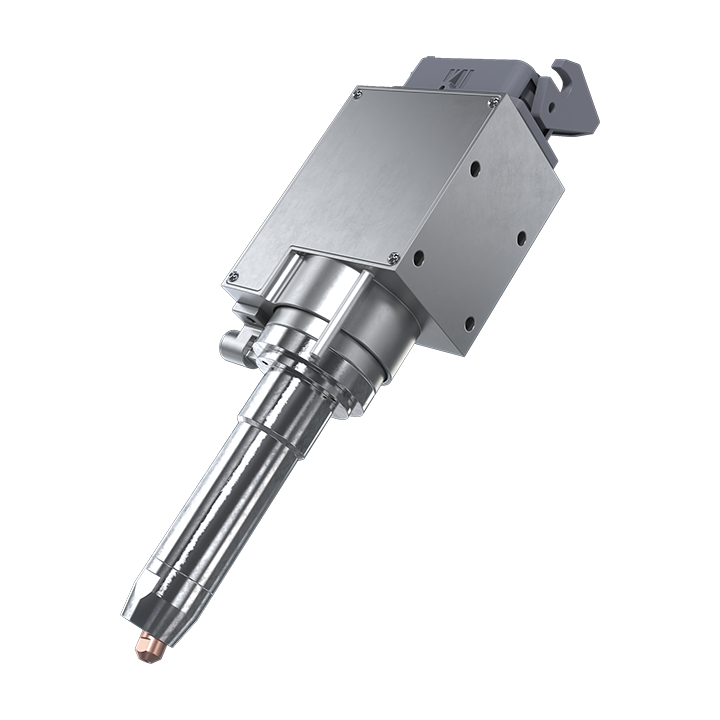
The LeakTEC measures a leak between a high-voltage electrode (DC) and counter electrode which can either be grounded or running opposed polarity. The LeakTEC ensures full process control and traceability.
Test to detect pin holes
It is typical in field applications to surface test moulded and welded joints in medical devices like medical tubes, containers, pipettes, cannulas and extruded film for medical bags etc.
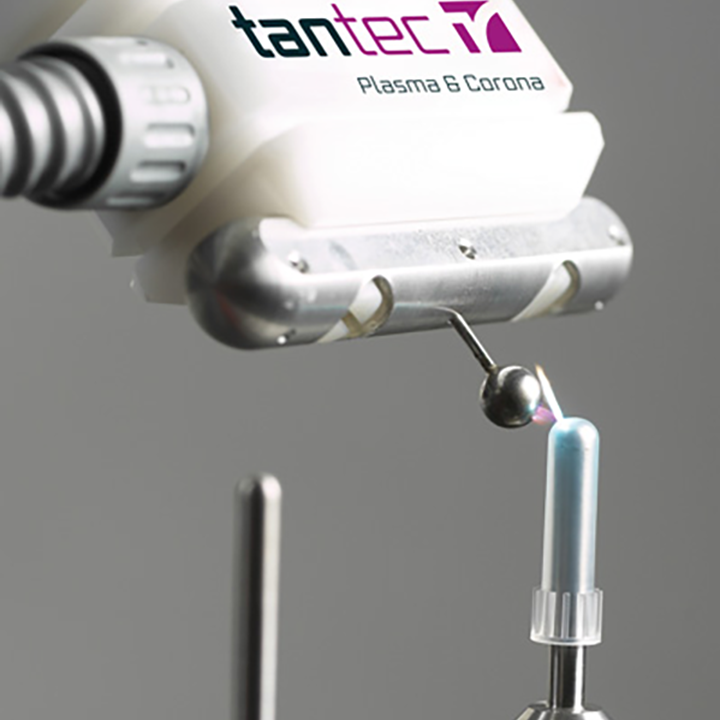
This fully automatic test is capable of detecting pin holes even smaller than 3 microns by introducing an electrical potential between a detecting electrode and an electrical ground, (i.e. metal jig or mandrel holding the part) while the plastic part itself acts as the insulator.
How the detection works
In the event of detecting a crack or pin hole in the plastic material, an electrical contact is established between electrode and ground.
This pass/fail contact is processed via the integral generator module interfaced with the main machine control.
The machine control can either enable a downstream ‘part-reject’ function or track trends in the manufacturing process, which can be fed back for early process adjustment or maintenance.
Counter Electrode Measurement and Function
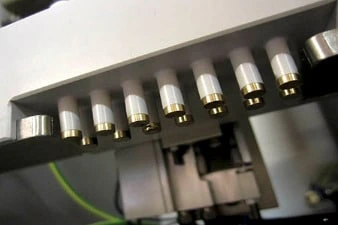
Counter electrodes measurement is to ensure that all electrodes are fully working. Each counter electrode will then give out individual signal to be processed by the machine PLC unit.
To limit the high-voltage and minimize generation of static electricity Tantec offers its dual polarity system (patented).
Leak Detection Technology
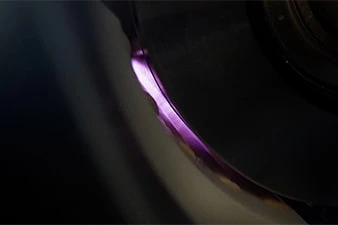
Tantec’s leak detection technology has its roots in the company’s Corona technology, which is capable of detecting arcs when a high voltage probe finds a path to ground.
This technology has been adapted to create a leak detection process, offering non-destructive testing of plastic injection molded parts. This process helps determine if a hole is present in the part without damaging it, making it an invaluable tool in manufacturing industries.
Did you know our leak detection system can detect pin holes even smaller than 3 microns. 3 microns is 0.003 millimeters!
How it Works
Tantec’s leak detection process works only on non-conductive materials like injection molded parts. The parts should have an opening on the bottom and a closed end on the other side or a flat wall or sheet that isolates ground from high voltage, allowing for the detection process.
The process uses a DC voltage to measure the voltage or the detection between the plastic and the high voltage, and only creates by products or electrical discharge when a leak is present. When a detection is present, there will be an arc that passes through to the metal, and the generator will provide a signal indicating the detection or failure mode.
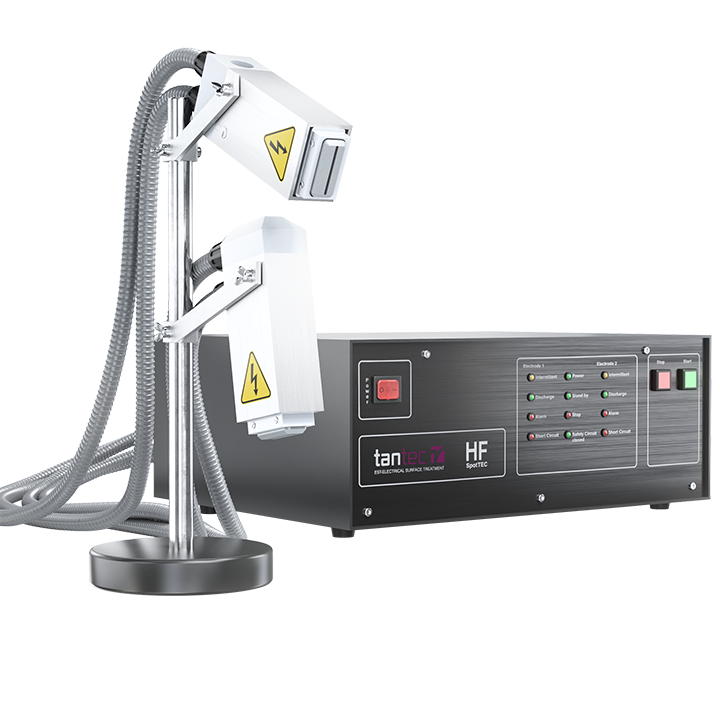
The setup includes a generator, a transformer, a high voltage cable, a grounded base, and a high voltage probe when showing how the system works. A good part passes if no failure mode is detected, while a bad part has an alarm condition that pops up in the right-hand screen corner, indicating that a path to ground has been found.
The Importance of DC Voltage in Leak Detection
Leak detection is a critical process in various industries, and the choice of voltage plays a crucial role. Tantec’s systems utilize DC voltage, typically in the 10 to 17,000 Volt range, to avoid the creation of Corona during the detection process. This ensures a clear pass or fail outcome, allowing for accurate and quick identification of defects.
What defines a DC Voltage?
DC Voltage, or Direct Current Voltage, is a unidirectional flow of electric charge. Unlike AC Voltage (Alternating Current), DC Voltage remains constant over time and is used in Tantec’s leak detection to avoid creating Corona, making it ideal to identify materials with or without holes.
What is good using the DC Process Voltage?
Using DC Voltage ensures precision, avoids false failures, and enables clear distinction between pass and fail conditions, improving the reliability of the process.
When and why does it provide a signal?
A signal is provided when a hole is detected, allowing the current to find its path to the ground. This signals a failure mode, indicating that the part should be rejected.
How does it provide a signal?
The signal is provided through an arc alarm generated to the PLC, and feedback is given on the screen.
Opposed Polarity Detection Process
Tantec’s opposed polarity detection process provides two values or additions beyond its Leak Detection. It reduces some of the static present during the detection process and allows for higher voltage to detect even smaller holes. The higher the voltage, the smaller the hole that can be found, allowing for the passage of the dielectric layer or opening and getting the high voltage to find its way to the ground. This process increases the accuracy of leak detection, ensuring product integrity and reducing the risk of wastage.
Application in Injection Molding
Leak detection technology is particularly useful in the injection molding industry. Tantec’s leak detection systems can be designed and developed to fit specific applications, ensuring a tailored solution for each manufacturer. These systems can test individual parts or multiple parts simultaneously, allowing manufacturers to identify defective parts quickly and efficiently.
Tantec’s leak detection technology can detect holes down to the micron range, ensuring a high level of accuracy in identifying leaks. Manufacturers can send samples for testing and verification, allowing them to evaluate the effectiveness of the technology for their specific needs.
System Design and Development
Tantec’s systems are designed and developed to fit the application of its customers. It can provide both the holder for the part and the high voltage probe or just the high voltage probe if the part is already sitting on an existing mandrel or fixture that is usable by Tantec.
They are tailored to meet your specific requirements, offering flexibility to test individual holes or particular areas, ensuring optimal quality control.
Individual Detections and Trends
Tantec’s system can do individual detections, enabling its customers to test all their parts at once and know which ones have failed. This feature helps in finding trends in the injection molding process, indicating problems with the mold and allowing adjustments to eliminate downtime as much as possible.
Sample Testing
We at Tantec recommend that you send samples to test its fixtures and see if we can detect the holes. Tantec can provide feedback on the holes found or not found, making it an excellent way to help prove out the concept and value of the system.
Case Studies
Tantec has worked with several injection molding companies over the years, and these companies have been happy with the process and control provided. The leak detection technology helps in building and developing their business by ensuring the product integrity they are shipping out to their customers.
Case example 1:
A long-standing customer in the injection molding industry has been using Tantec’s leak detection technology for many years. They have integrated the technology into their manufacturing process, running 24/7 with minimal operator intervention. The leak detection system has provided them with a high level of quality control, ensuring product integrity and reducing wastage.
Case example 2:
This case involves a company that uses Tantec’s leak detection technology to test 48 to 64 tubes at a time, taken directly from the injection molding machine. This high-throughput system allows for efficient testing and helps maintain product integrity throughout the manufacturing process.
Leak detection technology benefits
Tantec’s leak detection technology is a great non-destructive testing, providing accurate and efficient leak detection solutions for injection molded parts. With the ability to detect even the smallest holes, Tantec’s technology ensures product integrity and reduces wastage. The technology does no damage on the part, reduces downtime and ensures product integrity. Manufacturers looking to improve their quality control processes should consider integrating Tantec’s leak detection technology into their operations.

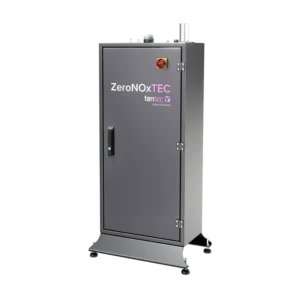
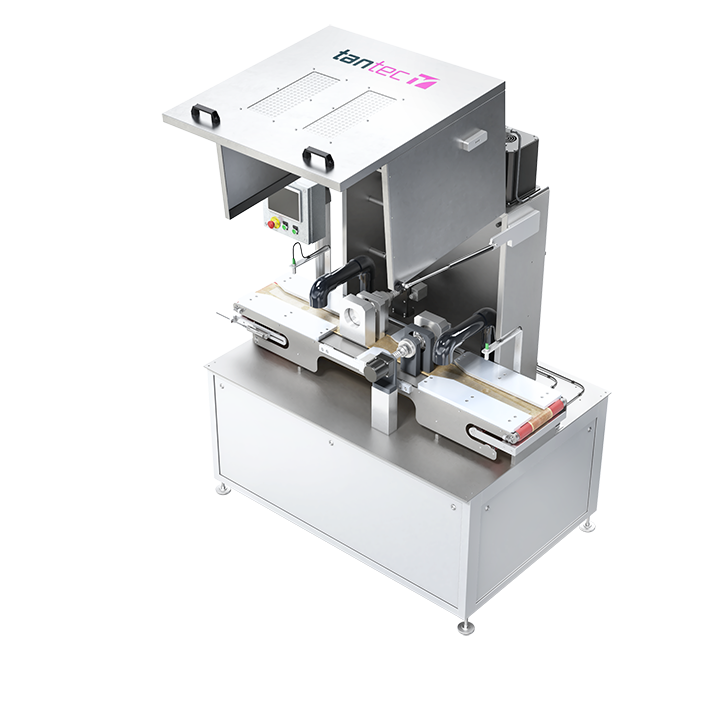
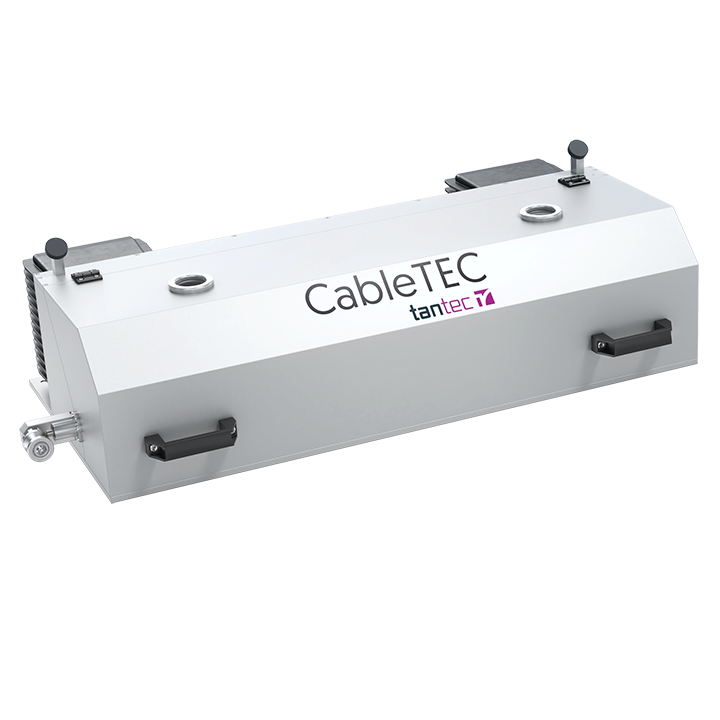
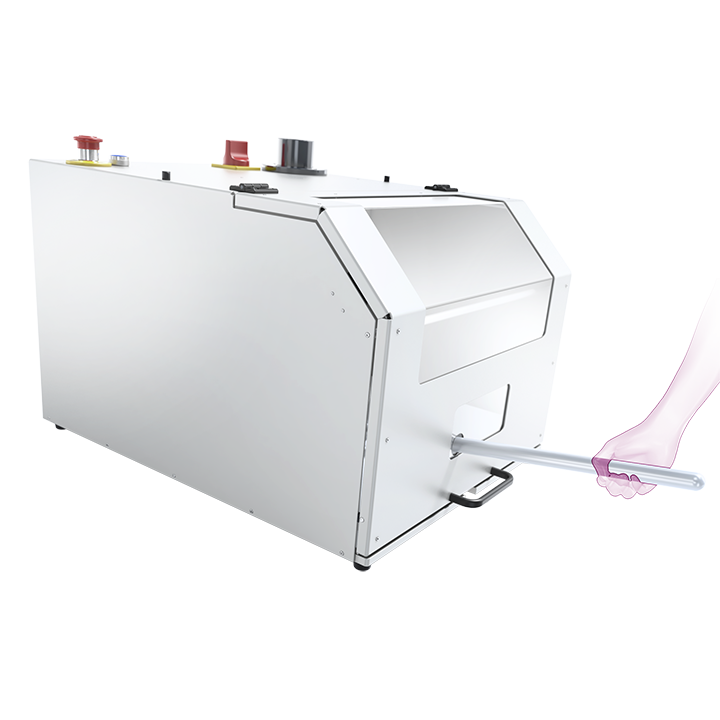
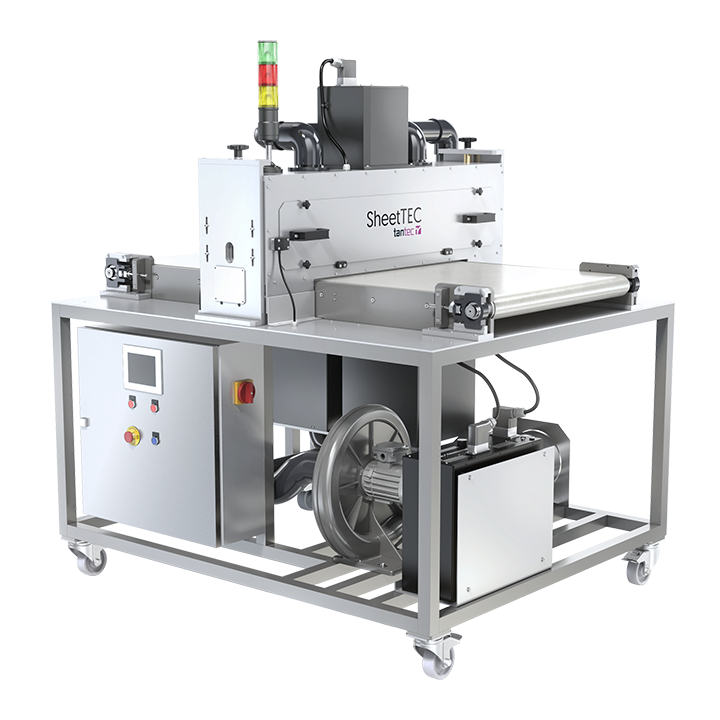
Standard LeakTEC
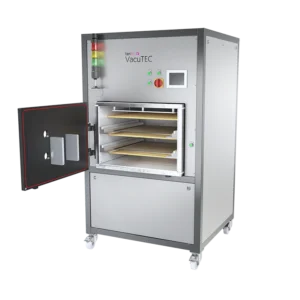
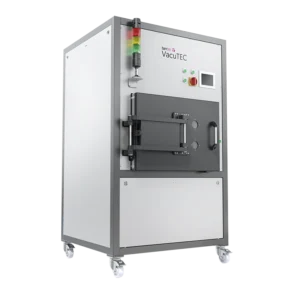
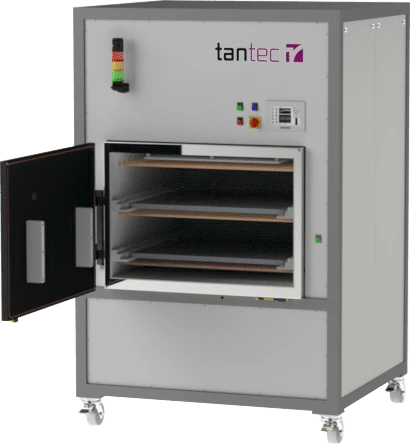
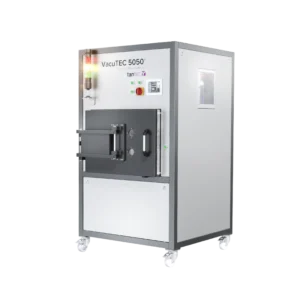
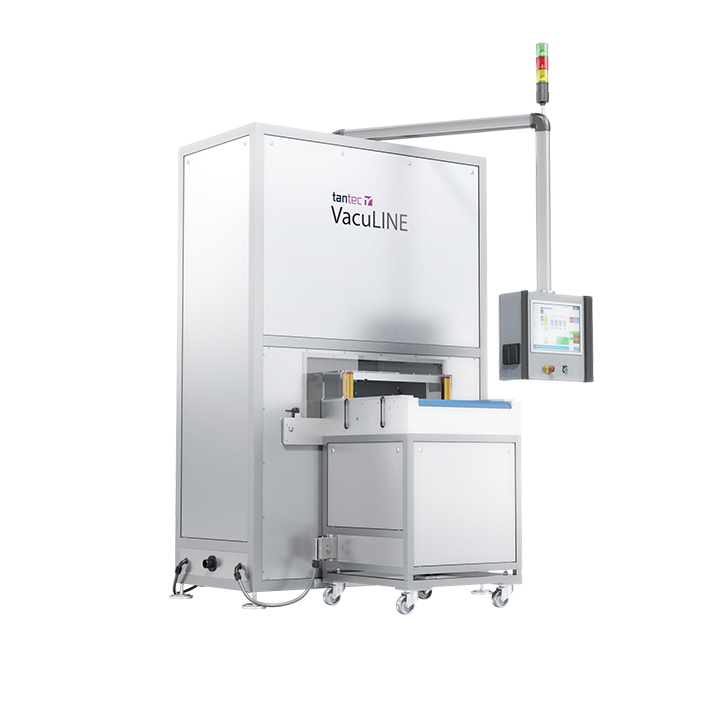
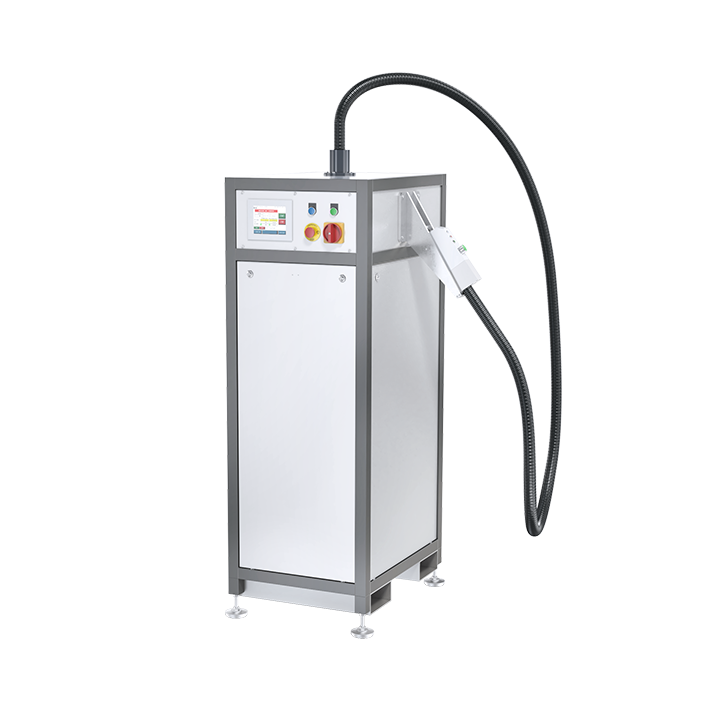
This product is manufactured as a standard machine to match common production requirements. It offers a proven configuration with defined footprint, treatment concept and machine interface, making it easy to integrate into industrial production.
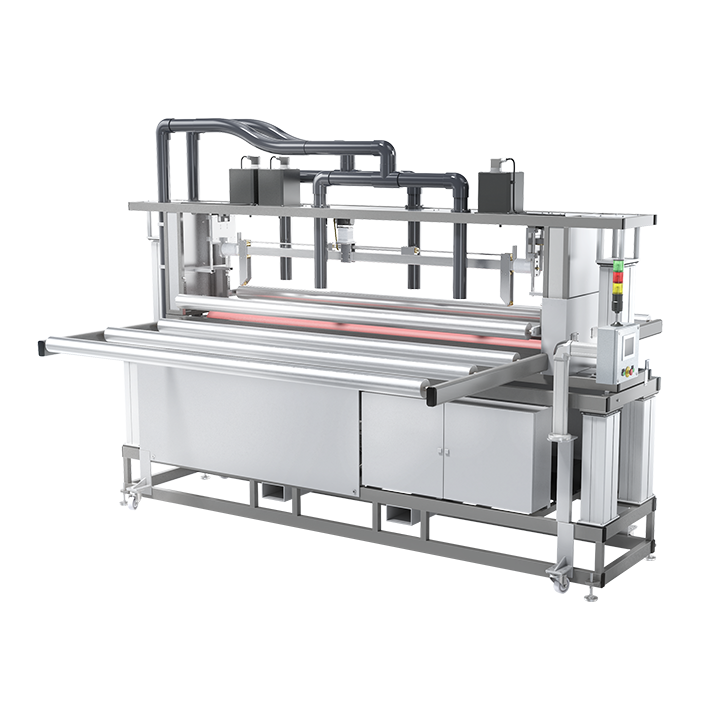
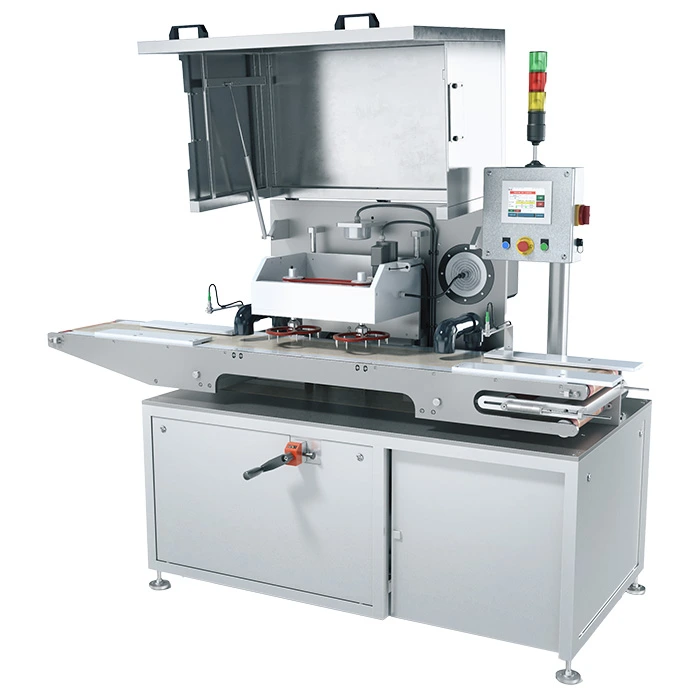
Customized LeakTEC
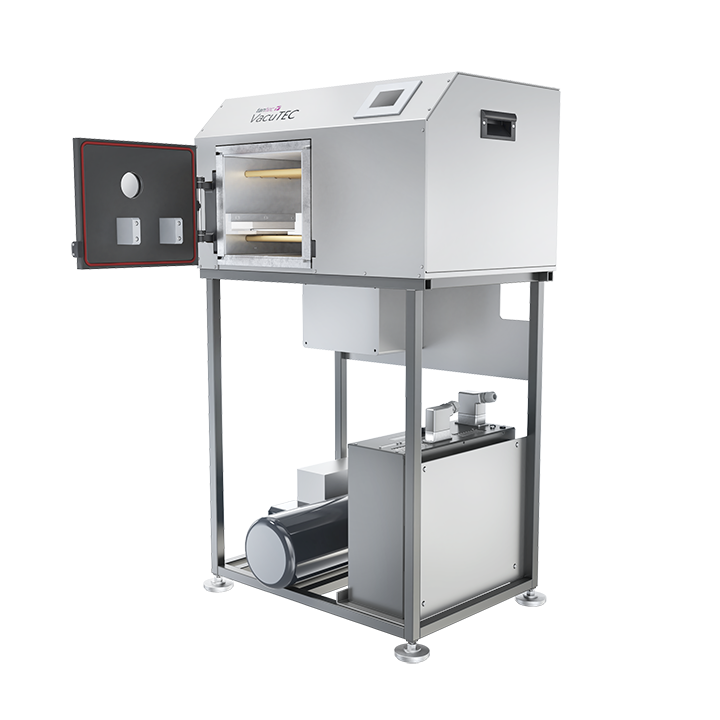
This product can be customized to fit your production. Tantec can adapt the solution to your part geometry, process requirements and production flow, including footprint, cycle time, chamber size, part capacity and machine interface.
Find out before adhesion problems reach production
Tantec offers free sample evaluation and application testing performed by our experienced surface treatment experts. We test your materials under real-world process conditions to help determine the appropriate corona or atmospheric plasma solution for your specific application. Don’t guess at the treatment level your application needs. Let Tantec test your actual samples and provide data-driven recommendations for achieving strong, reliable, repeatable adhesion.
Cases

LeakTEC technical specifications
| FEATURES: | |
| Easy to install and use | Uncomplicated operation into the production line. |
| Fast detection times | Pin hole detection is done either in-line or during stop at index movement. Typical test times from 0.03 seconds. |
| Dual polarity detection (patented) | Limits high-voltage and minimizes generation of static electricity. |
| Full integration | Must be fully integrated into existing production lines. |
| High precision test electrodes | For testing small fragile parts. |
| Non-destructive testing | Tested parts remain undamaged allowing for zero waste. |
| Single or multiple part detection | Adding counter electrode measurement allows for testing of multiple parts. |
| No corona discharge | Use of DC voltage eliminates corona discharge. |
| Technical Specifications | LeakTEC Plasma Treater |
| Mains voltage and frequency | 230 VAC 50/60 Hz |
| Output voltage/test power | Max. 40 kv/max. 2000 Watt |
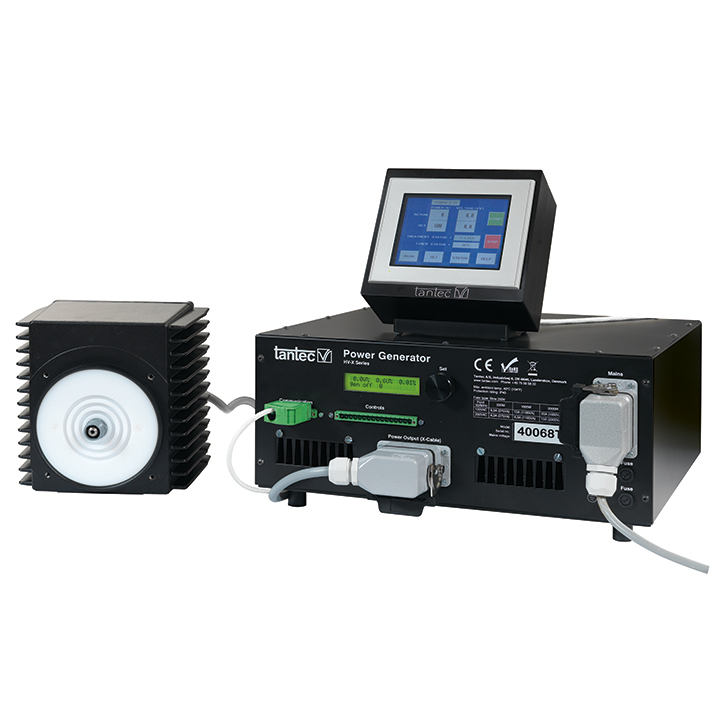
| Power supply | HV-X plasma generator series |
| Detection times | From 0.03 sec. (other on request) |
| Number parts per batch | Customised |
| Electrode design | Cusomised to application |
| Treatable materials | Non-conductive only |
| Part thickness | From 0.1-5.0 mm others on request |
| Control and connectivity | Complete with touch panel (Standard-Proface) |
| Regulation compliance | CE – RoHs – WEEE |
FAQ
What is LeakTEC used for?
LeakTEC is used for high-voltage leak detection of micro pinholes in plastic components and medical devices.
Why is leak detection important?
Even very small pinholes can affect product quality, safety and performance, especially in medical and high-volume production.
How does LeakTEC detect micro pinholes?
LeakTEC uses high voltage to detect tiny holes or weak points in the material without the need for pressure or vacuum testing.
Can LeakTEC be integrated into production?
Yes. LeakTEC can be integrated into quality control or production lines.
Is LeakTEC a contact-free test method?
Yes. LeakTEC can test parts without creating a seal or physically touching the product surface.
How small pinholes can LeakTEC detect?
LeakTEC can detect very small micro-holes, with applications proven down to around two microns.
Is LeakTEC suitable for high-volume production?
Yes. LeakTEC provides very fast test response times and can be integrated into automated production lines.
How does LeakTEC compare to pressure decay testing?
LeakTEC is often faster because it does not require sealing, filling or stabilization time before testing.
Is LeakTEC suitable for medical applications?
Yes. LeakTEC is used for medical components where reliable detection of micro pinholes is critical to product quality.
Can LeakTEC be delivered as a standard or customized solution?
LeakTEC is typically customized to match your product geometry, test areas, automation setup and production requirements.